
What is Active and Sustainable Travel?
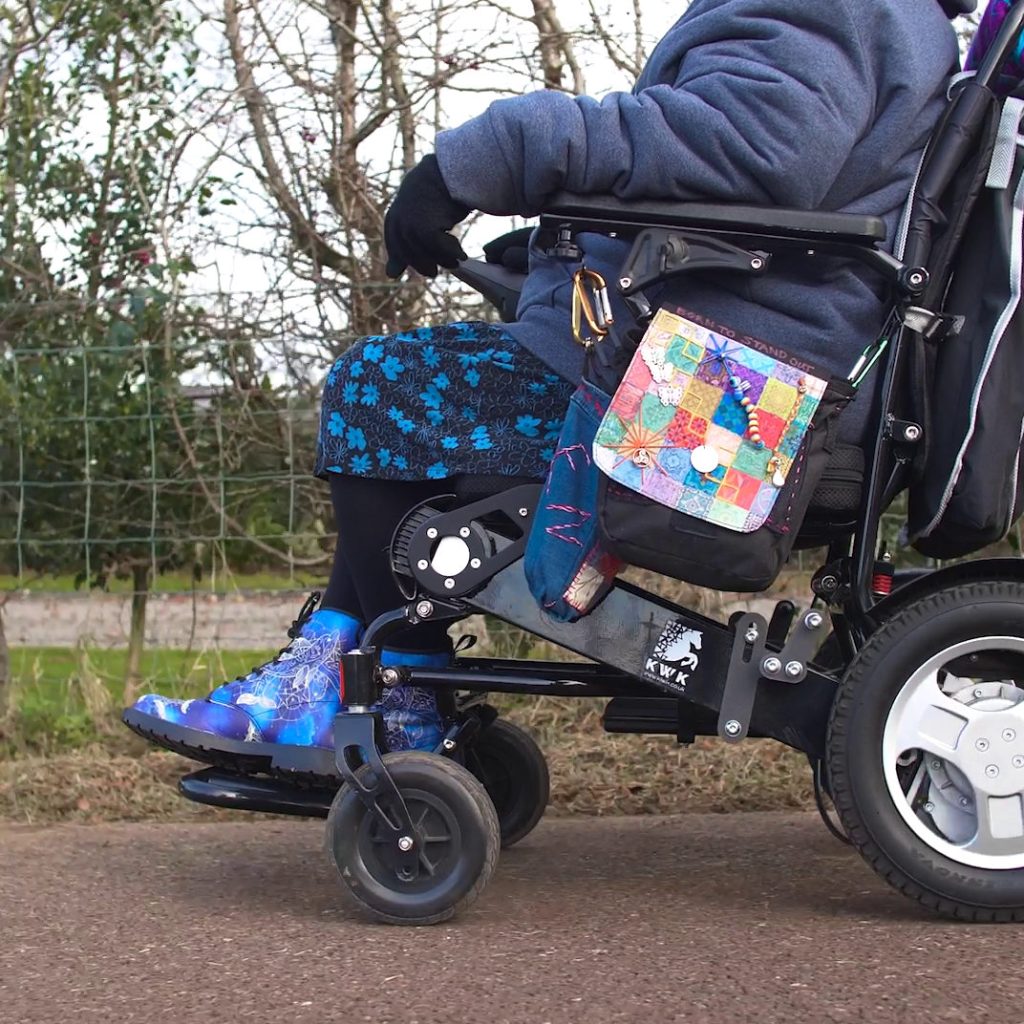
Transport Scotland defines active travel as: “Walking, wheeling or cycling for a purposeful journey. Wheeling includes using a wheelchair or mobility aid as an alternative to walking.”
More broadly, sustainable travel includes active travel alongside public transport and shared mobility options. It supports lower-carbon journeys and reduces congestion and pollution, contributing to a Net Zero journey.
Dumfries and Galloway Council’s transport programme supports more “joined-up journeys” across the region — bringing new active and sustainable transport options to communities and making greener transport more accessible while strengthening the existing transport network.

Active and sustainable travel is simply about how people move through daily life — and the different options available.
What Does That Mean in Everyday Life?
Active and sustainable travel is simply about how people move through daily life — and the different options available.
For some, that might mean walking to school or wheeling along an accessible path. For others, it could mean catching the bus to work, taking a train for a hospital appointment, or combining a short walk with a car journey. It might mean using an e-bike from a transport hub, sharing a lift, or choosing an electric vehicle instead of a petrol one.
It looks different depending on where you live.
In rural areas, private vehicles are often essential. Bus routes may be limited. Distances may be long. Active and sustainable travel is not about removing necessary choices — it is about widening options where possible and improving how different modes connect.
It is about supporting everyday journeys and helping people get where they need to go.
Modes of Active and Sustainable Travel
- Active travel includes:
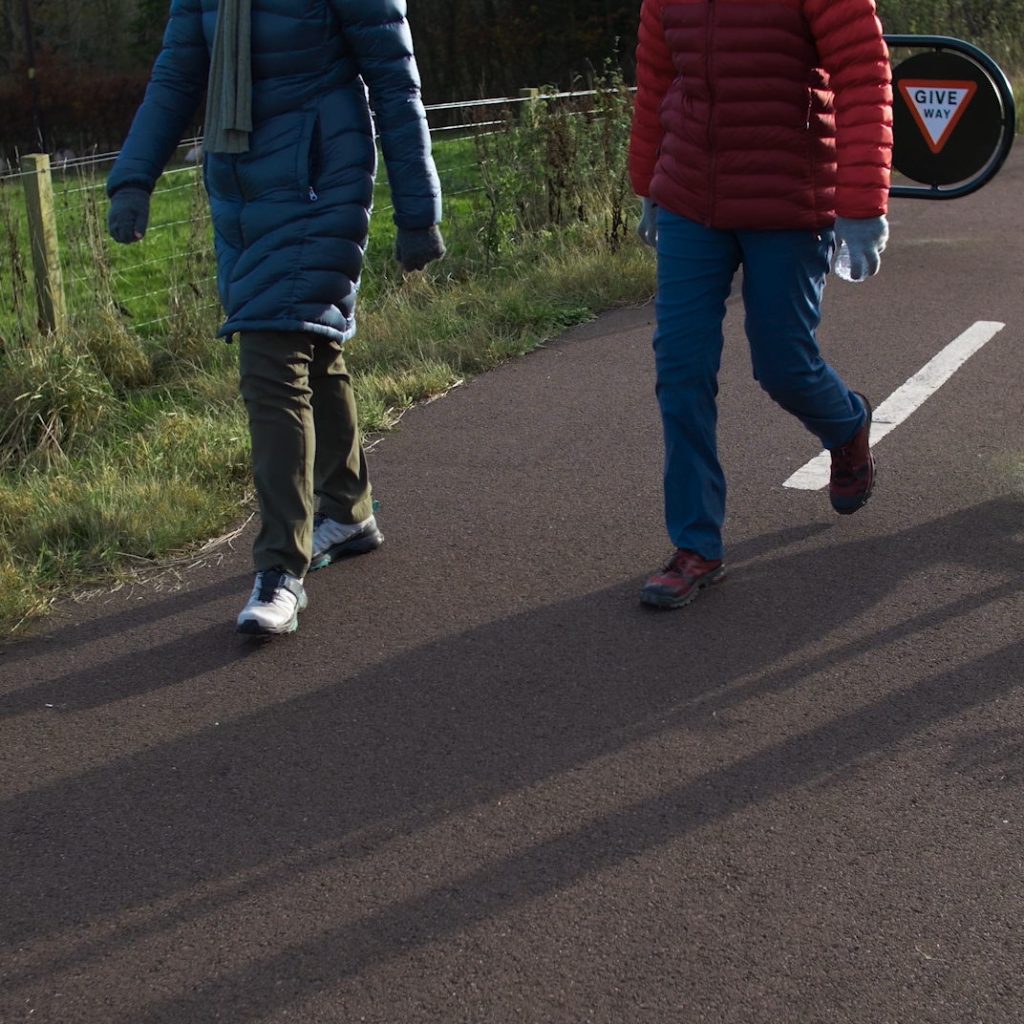
- Walking
- Wheeling (including the use of wheelchairs and mobility aids)
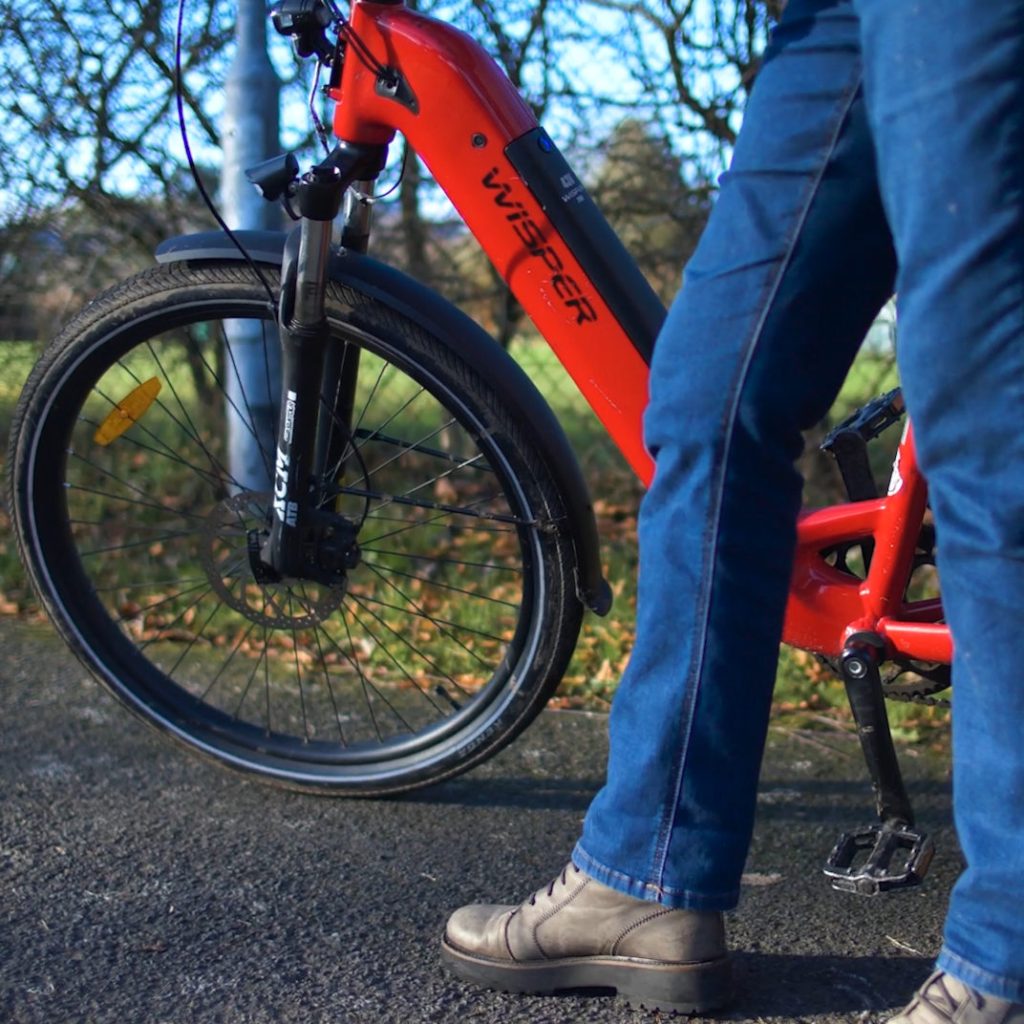
- Cycling (including e-bikes)
- Sustainable travel includes:
- Public transport (bus and train)
- Car sharing
- Electric vehicles
- Park and Ride
- Combining different modes in one journey
These options work best when they connect — when walking links to bus services, when cycling connects to rail, and when hubs make switching between modes easier.
What Could an Active and Sustainable Journey Look Like?
- Walking to local shops or meeting friends
- Wheeling safely along a shared path
- Cycling to college
- Taking a bus to work
- Catching a train to visit family
- Hiring an e-bike from a local hub
- Using a shared car when a private vehicle isn’t available
- Driving an electric vehicle
- Combining a bike and bus journey
- Travelling into town using Park and Ride
Some journeys may always require a car. Others may involve a mix of options. The aim is not to prescribe one way of travelling, but to make it easier for more people to choose active or sustainable options that work for them.