Words and images by Patrick Rooney
As a freelance filmmaker, I’ve often had the privilege of working on some really interesting projects. Getting to visit and document activity that is taking place in different communities, seeing first hand what is going on in regions across the country, as well as learning about new subjects and ideas, truly makes every day on the job an education. One of these projects that I feel very lucky to have been a part of has been the Wild Goose Festival.
Now, I must say that for the majority of my life, I have paid very little attention to geese, and pretty much any and all bird species in general. Of course, I have taken notice sometimes, like when you spot a robin appear in the snow, or drive past a hawk chilling on a fencepost, or even having to watch that the gulls along the Whitesands don’t dive-bomb you for your takeaway. But outside of these limited occasions, the first time I really sat up and paid attention to any bird species was in October of 2020 whilst working on a livestream for the Wild Goose Festival.
Geese were especially a bird species that I never thought twice about. What’s so special about a goose? Aren’t they just like swans? And why is there a festival named after them in Dumfries?
Right after that first livestream event almost 5 years ago now, those questions quickly disappeared.
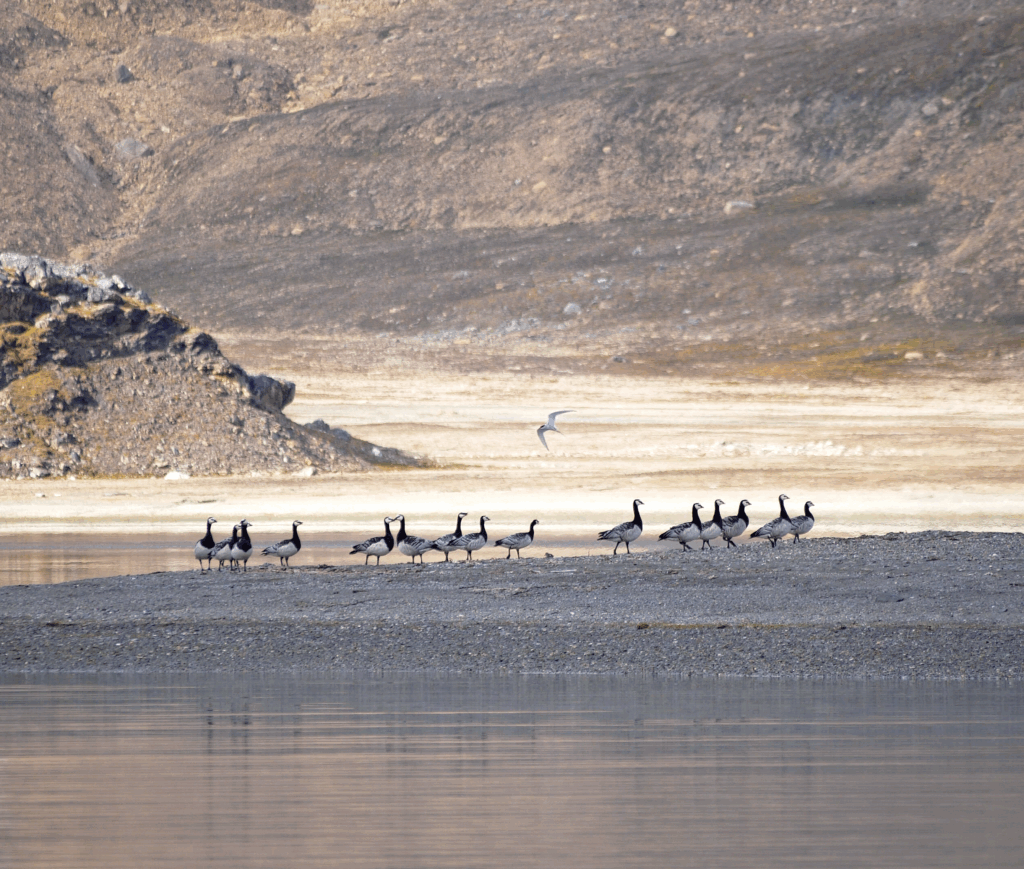
Dumfries and Galloway is a beautiful region, unique and rich in many natural resources, and one vitally important aspect that it has stretching across its landscape is the incredibly fruitful firth that is the Solway. Every autumn through to spring, the Solway estuary becomes host to tens of thousands of geese who travel great distances to get there. In particular are those travelling over 2,600km from Svalbard.
Since 2020, I have had the pleasure of working as the documentarian for the Wild Goose Festival, creating videos that showcase the various activities, workshops and events that take place, as well as visiting sites like WWT Caerlaverock to film the geese arrive across the nature reserve after their long migration. Through my work as the documentarian of this wonderful festival, my knowledge and interest in these birds has grown, and continues to spike every year, to the point where it now no longer is just about geese… I’m slowly becoming a bit of a ‘birder’ (I’m also approaching 30 years of age and have heard through the grapevine that this happens to the best of us).
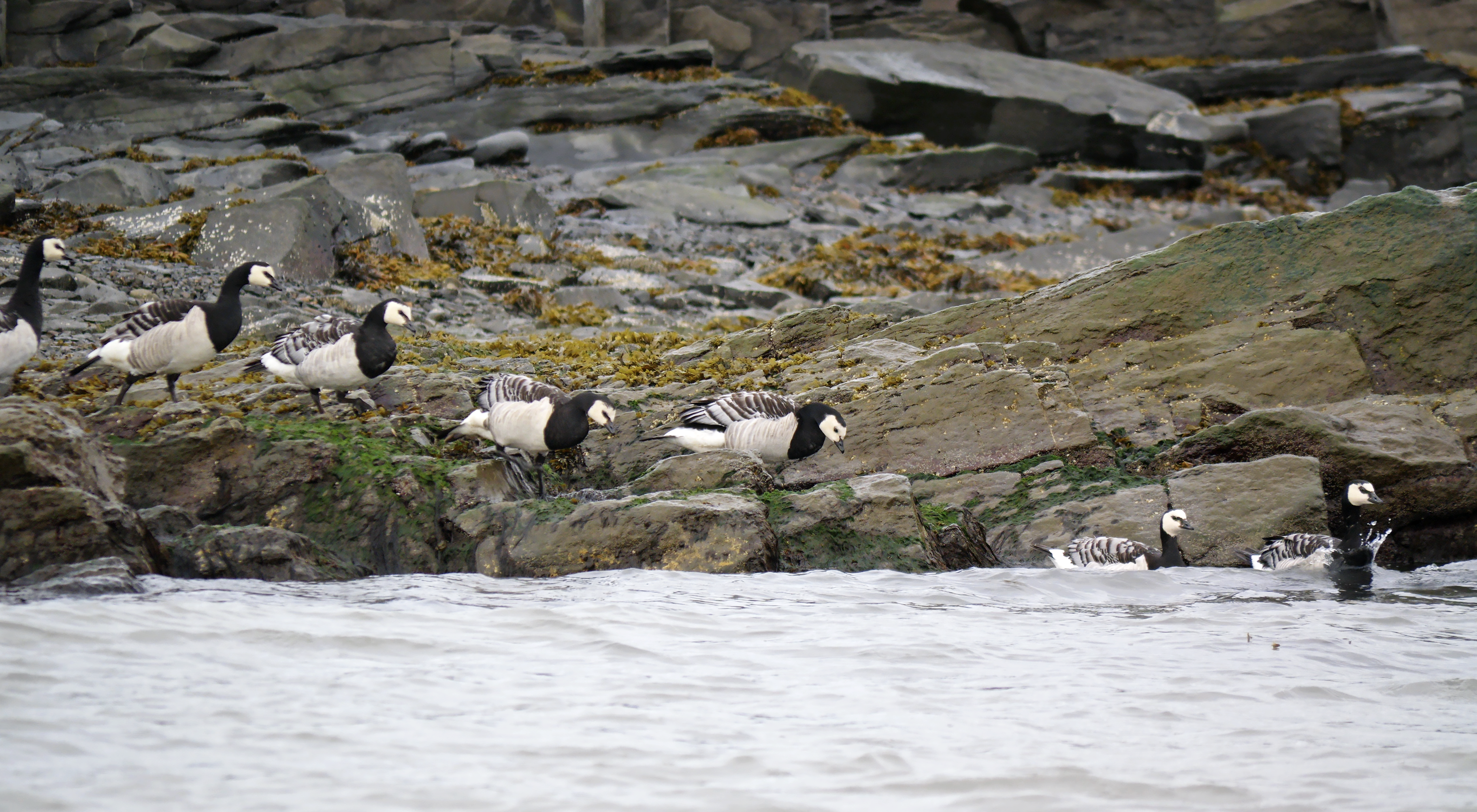
Barnacle geese in particular hold a special place in my heart. Their personalities, honks, and their aesthetically pleasing plumage that they wear so well, all add up to this character that is already impressive just looking at their mammoth migratory route alone. Being able to document these birds in my homeland of Scotland has been a huge joy and I would never even have thought or expected that the opportunity for me to document these geese in their homeland would ever occur.
And yet, here we are.
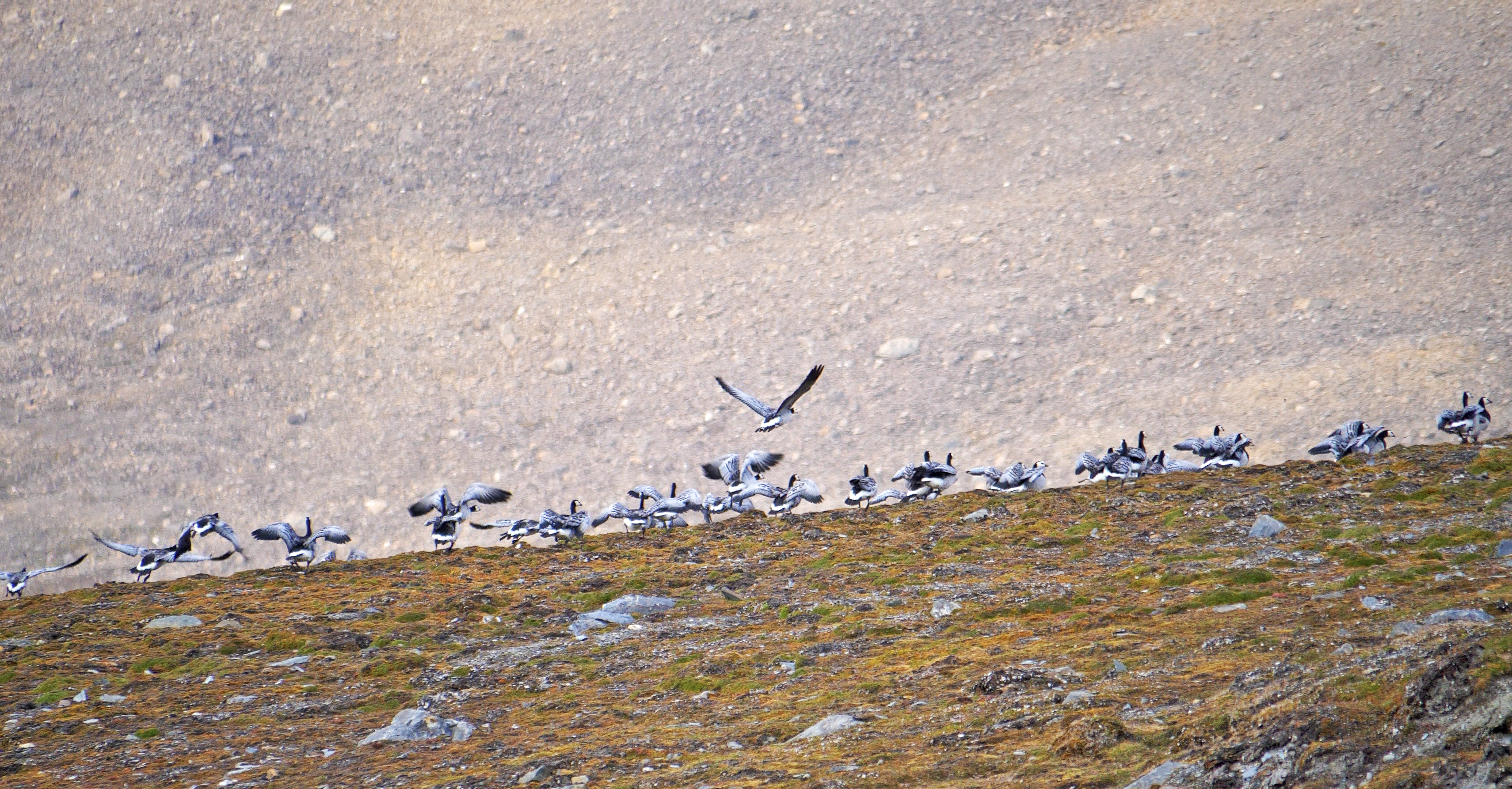
As I write this, I have just spent the last two weeks on assignment onboard an expedition passenger vessel, circumnavigating the island of Svalbard. Here, I have seen Pink Footed and Barnacle geese in large numbers. You can find them tucked away in corners of fjords that are miles wide, soaring over the top of glaciers, or running across hills in their gaggles. They are here and they are all everywhere.
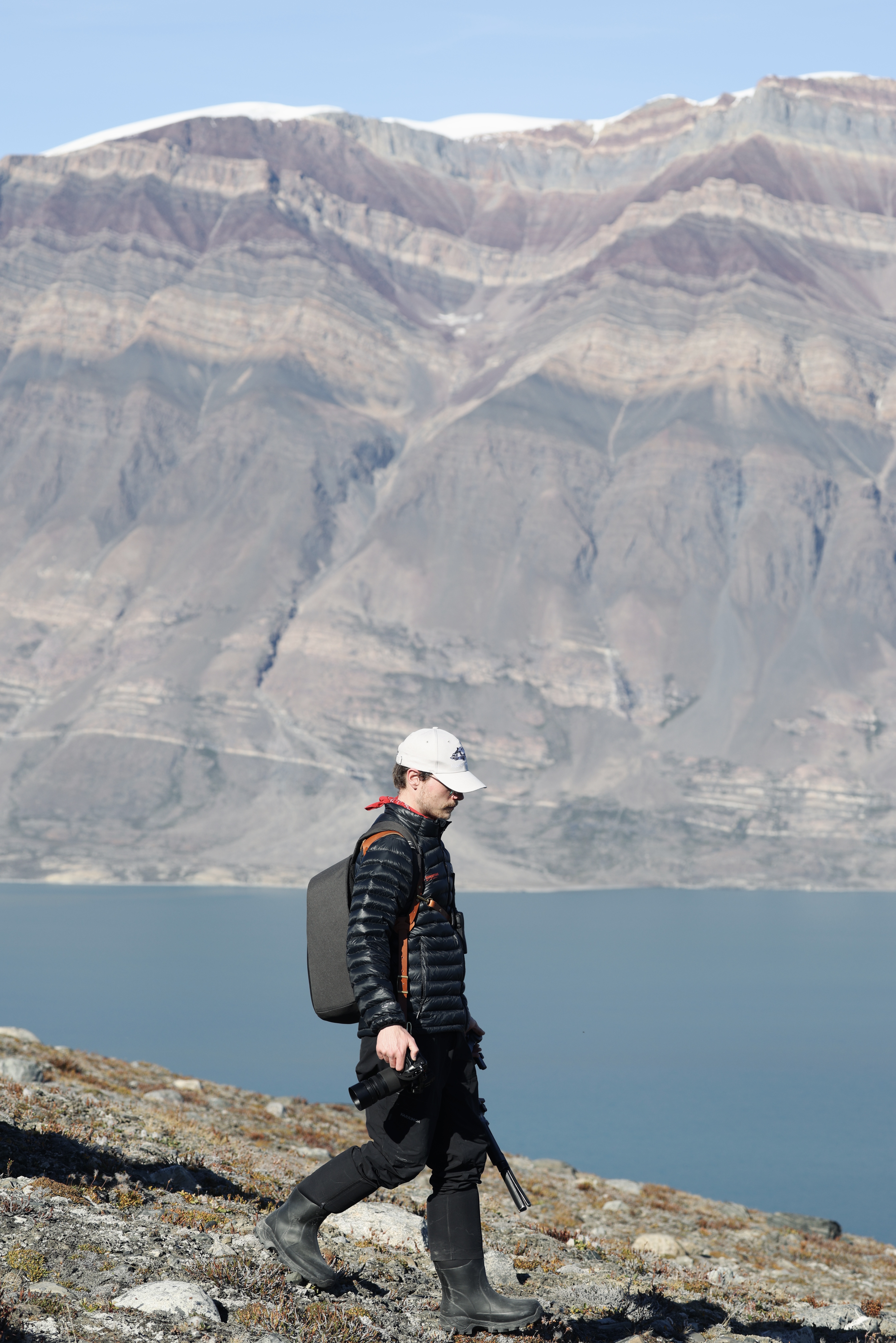
Seeing and hearing them in this environment, surrounded by mountains that peak into the clouds, watching as huge icebergs float past them on the shore, sitting alongside large huddles of Walrus, it’s all a very surreal experience. For someone who is so used to seeing them inhabit the flat marshy fields and wetlands along the Solway, Svalbard is a big shift in tone and scenery, but still one that feels oddly familiar.
To be able to visit and work in Svalbard, documenting the landscapes and the wildlife here, has felt like a full circle moment in my life and career to date. It is a landmark in time that I do not take lightly and I feel incredibly lucky to have had this experience. I must also say that knowing these thousands of geese will happily leave this stunning part of the world, just to spend their long winter down in bonnie Scotland, is a very wholesome thought. I’m very much looking forward to joining them on their flight down south.