Words and images by David Pickett, WWT Caerlaverock
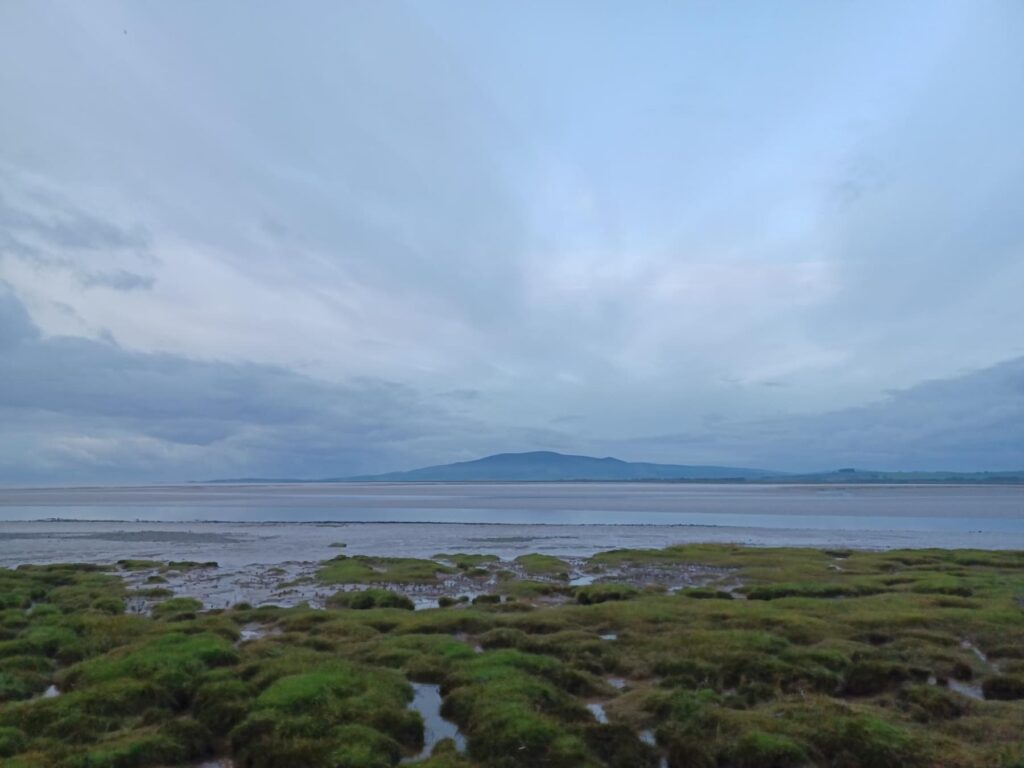
It is 6 am, dark, cold, and still. There is not quite a frost, but I am standing on the edge of one of the largest areas of mud in the UK, wondering why I do these things. The alarm went off at 05:00, and even the normally enthusiastic dog looked at me with an expression that seemed to say, “Really?”
But this is what we do to count geese.
There are thousands upon thousands of geese around the Solway—it is fantastic goose country because the estuary provides a safe roost for sleeping, and the surrounding fields offer prime grazing. However, it is important to count them to monitor whether the population is increasing or declining. The best way to achieve this is by counting them as they leave their roost. I was just one of many counters stationed across the UK conducting a coordinated count to get a snapshot of overall goose numbers—specifically grey geese, such as greylags and pink-feet.
So here I am, standing in the dark, waiting for the geese to wake up and get moving. Meanwhile, there is plenty of other activity around me: curlews, redshanks, and dunlins are all active out on the mud—moving, feeding, and calling. At this hour, it is ear work rather than visual identification. There is also a change of shift—snipe and lapwings are finishing their nocturnal feeding, while the chinking blackbirds and churring wrens in the gorse behind me are just waking up.

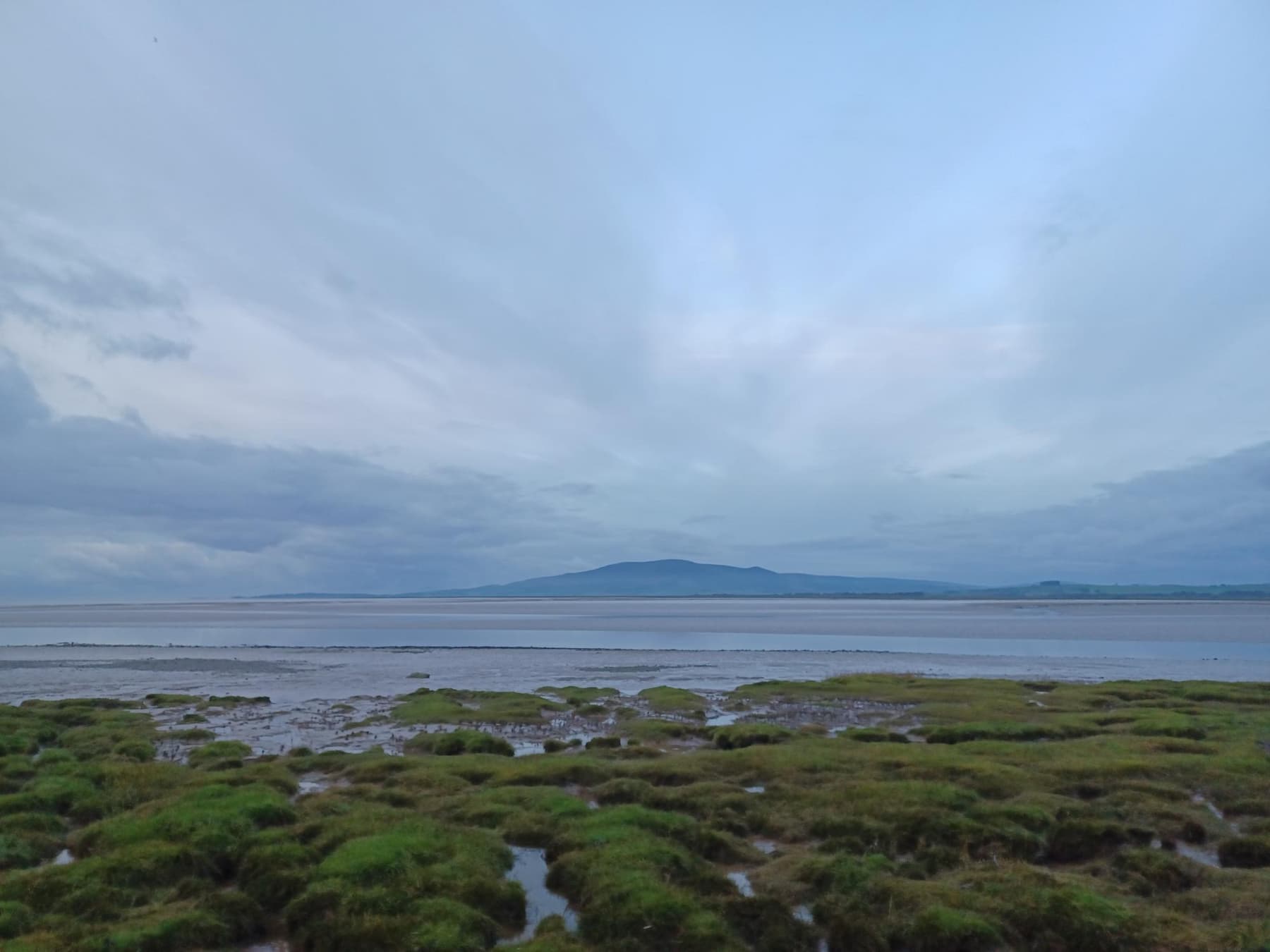
Gradually, I notice a portion of the sky growing lighter. The dark, looming mass of Criffel in the west begins to emerge, and the entire landscape is bathed in a silvery-blue light. The sunrise, when it arrives, is brief and watery, but welcome nonetheless.
On the goose front, all is quiet. A little soft calling far out betrays the presence of pink-footed geese, but as it turns out, that is all I hear from them. They are usually early risers, whereas the layabout barnacle geese do not start flying out of the roost for another twenty minutes. I can see huge numbers lift off the mudflats and head inland further west, the murmur of their calls drifting down to me. A few small groups head my way. Directly in front of me lies a favourite first stop of the morning—so reliable that in local birding terms, it is known as the ‘Lochar Café’—where they gather to wash, chatter, and plan their day. Seen close up, they display a striking black, grey, and white pattern; however, far away in the muted light, they vanish, leaving only their goose chatter to give them away.
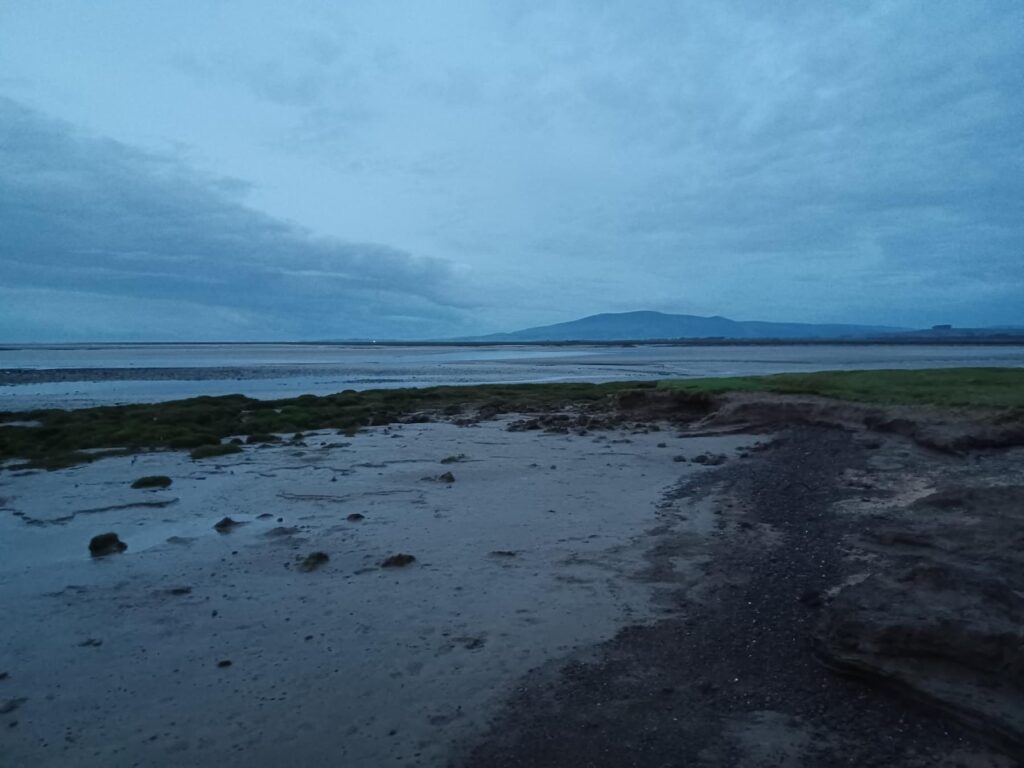
It is developing into a grey sort of day, and as the light builds, the day shift of Solway wildlife goes about its business: curlews gathering on the edge of the merse, redshanks sweeping the mudflats in loose, marching groups, and mallards working the edges while chuntering away to one another.
By 08:15, I have finished all the counting I am going to manage—no pinkies and only a handful of greylags. In terms of sheer numbers, it was not particularly fruitful, but it was a top-quality couple of hours becoming part of estuary life. Most importantly of all, I remembered why I do these things. Now, it is time to head back home for a second breakfast.