Words by David Pickett, WWT Caerlaverock
April can be a confusing month at WWT Caerlaverock.
On the calendar, April is smack bang in the middle of spring and, seen in black and white like that, it should be clear what to expect when you venture out. Instead, it’s more like an airport terminal, with wildlife passing through in all directions and for different purposes. We all have wildlife markers that help us tune into the seasons and mark the passage of the year. In April at Caerlaverock, they are a bit mixed, and it can feel rather like turning the tuning dial on a radio: one minute you’re tuned into the winter station, the next it’s spring, and then suddenly summer.
An April day here at Caerlaverock can start at first light with a hard frost. Pink-footed geese can be among the first into the air, leaving their roosts on the Solway mudflats and heading inland to feed. Their numbers are down to a few hundred laggards, moving through and fuelling up before heading north to Iceland and Greenland for a short but intense Arctic summer.
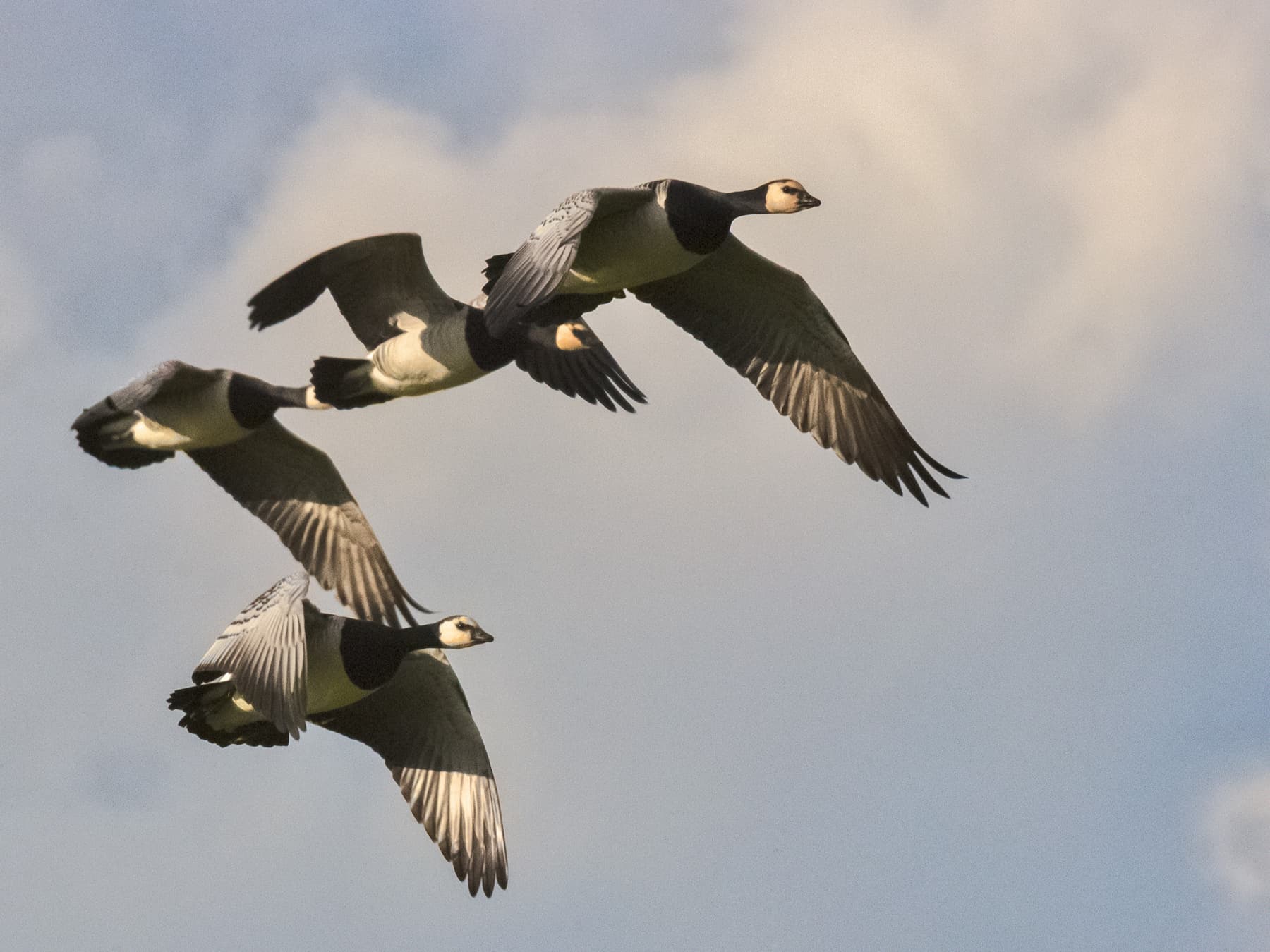
The barnacle geese follow the pink-feet out of the roost, leaving later in the day and later in the spring. They have farther north to travel, to Svalbard, and need to wait for the Arctic summer to get under way there.
Hearing the geese overhead on a cold morning is what winter is all about here. As the geese settle on the fields to fuel up for their travels north, the day begins to warm and the new arrivals become apparent. Willow warblers, sedge warblers and grasshopper warblers, all of which have arrived in the last week or so after spending the winter in Africa, transform the atmosphere into spring. They call out in the hope of attracting a mate and establishing a breeding territory.
The soundtrack shifts too. The backdrop becomes less “let’s keep the flock together” from the geese and more “oi, how about me? Back off!” from the new arrivals. As the air warms and you begin shedding layers of clothing, the arrival of other summer migrants, such as swallows and house martins, moves you rapidly through the seasons.
Then comes the sound of summer.
For me, the sound that marks the true transition from winter is the song of the skylark. Though they can start singing while passing through Caerlaverock on their way to breeding grounds, the full force of a skylark chorus, with dozens upon dozens singing across the merse, captures the essence of summer.
A fine April day at Caerlaverock can take you through all the seasons: saying hello to the summer visitors and bidding a fond farewell to the geese. Thankfully, it won’t be long before they return again in September.